On Summit Lake, the Septic Certificate Decides What a House Is Allowed to Be
August 13, 2026
August 13, 2026
Ask most people what could stall a sale on Summit Lake and they will guess low inventory, a bidding war, or a lender getting cold feet. Those things happen here. They are not usually what stops a deal midstream. The real ceiling on a Summit Lake property shows up on a document most buyers never think to request until an inspector, an appraiser, or a lender asks for it directly: the septic permit.
Summit Lake sits about 10 miles east of Olympia off Highway 101, a 511-acre body of water with no public sewer or water main anywhere on its shoreline. Every home circling Summit Lake Shore Road runs on its own septic system paired with either a private drilled well or the Summit Lake community water system. Some owners never see a water bill for irrigation. It is a workable setup that has supported the neighborhood for decades. It also means the county's septic approval for a given parcel, not the marketed bedroom count, is what actually caps how that home can be used, as Thurston County explains.
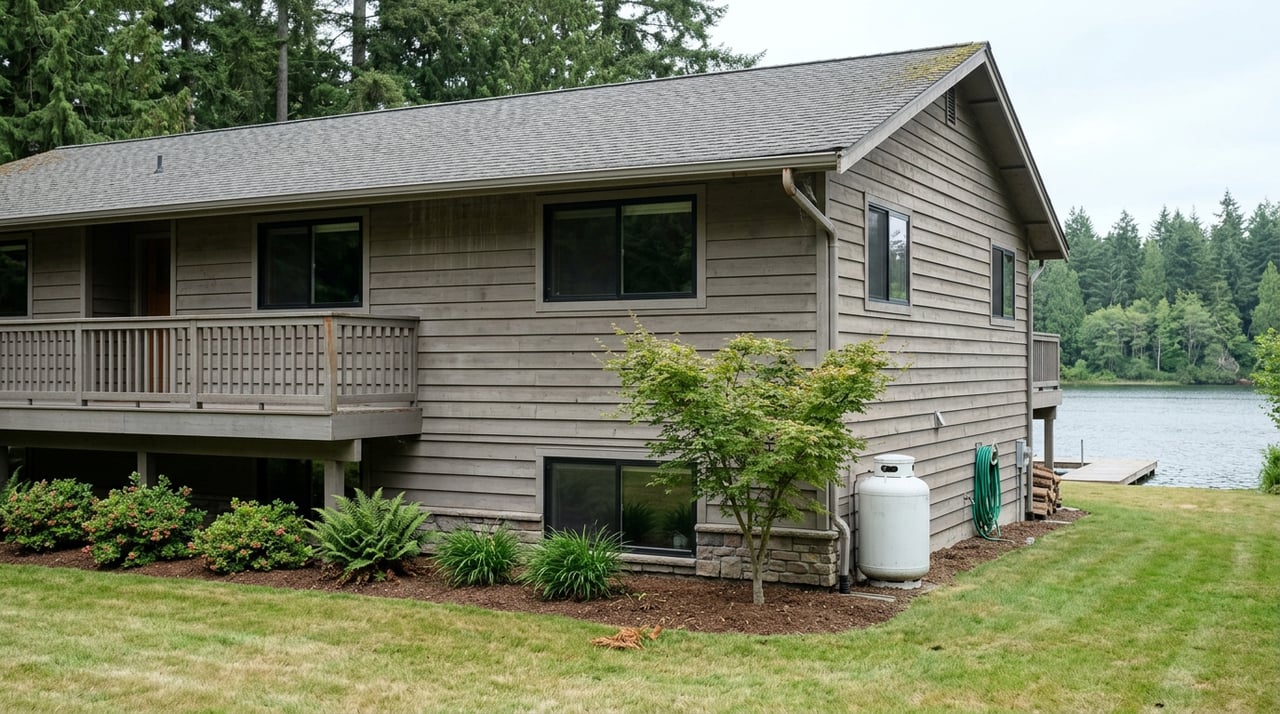
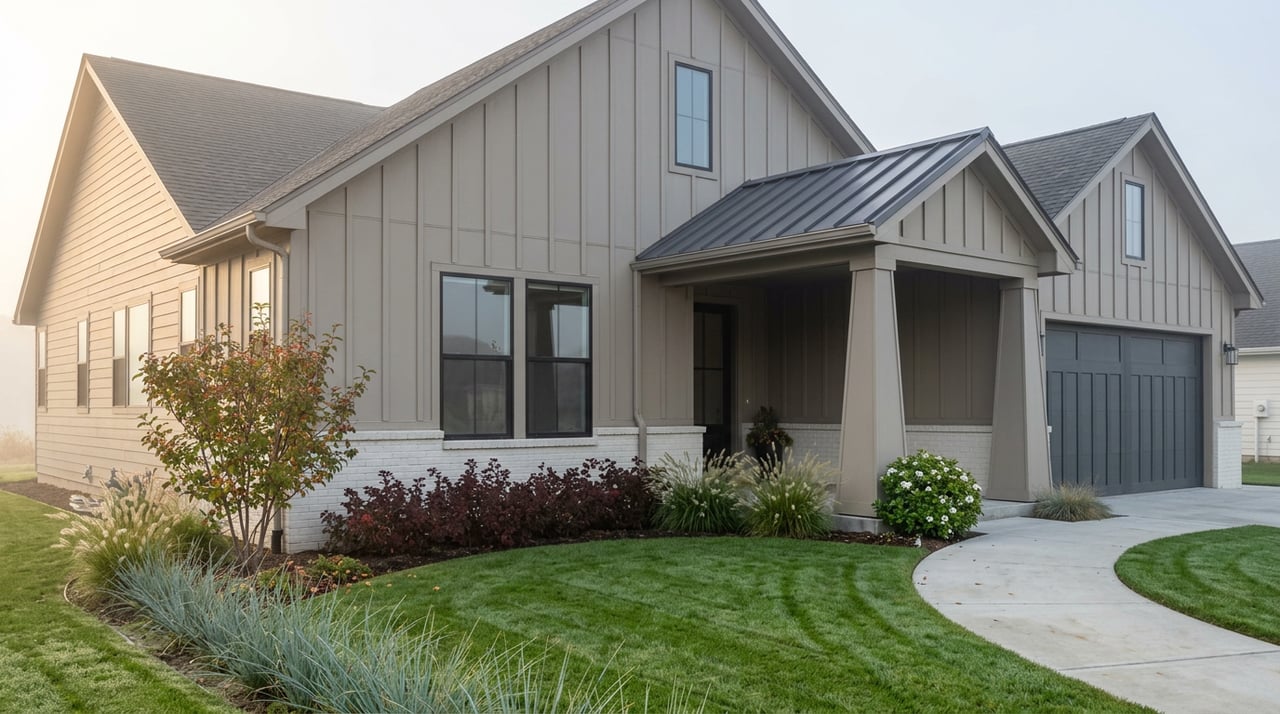
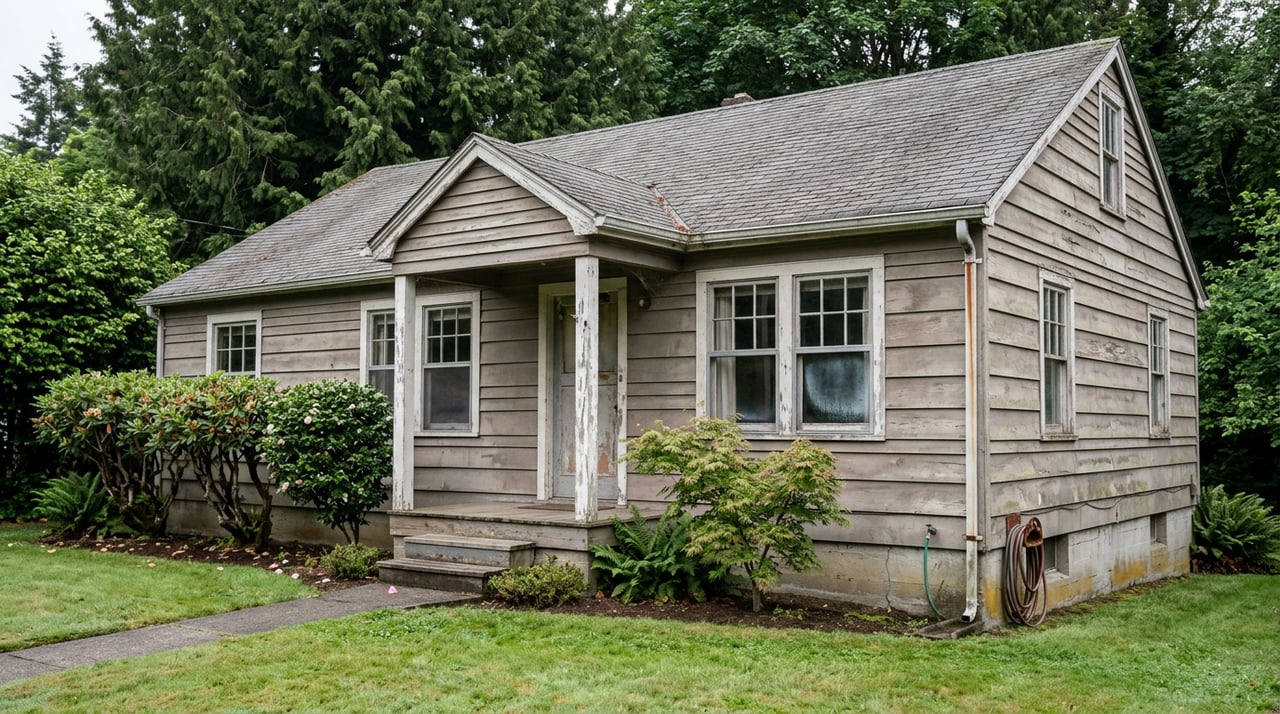
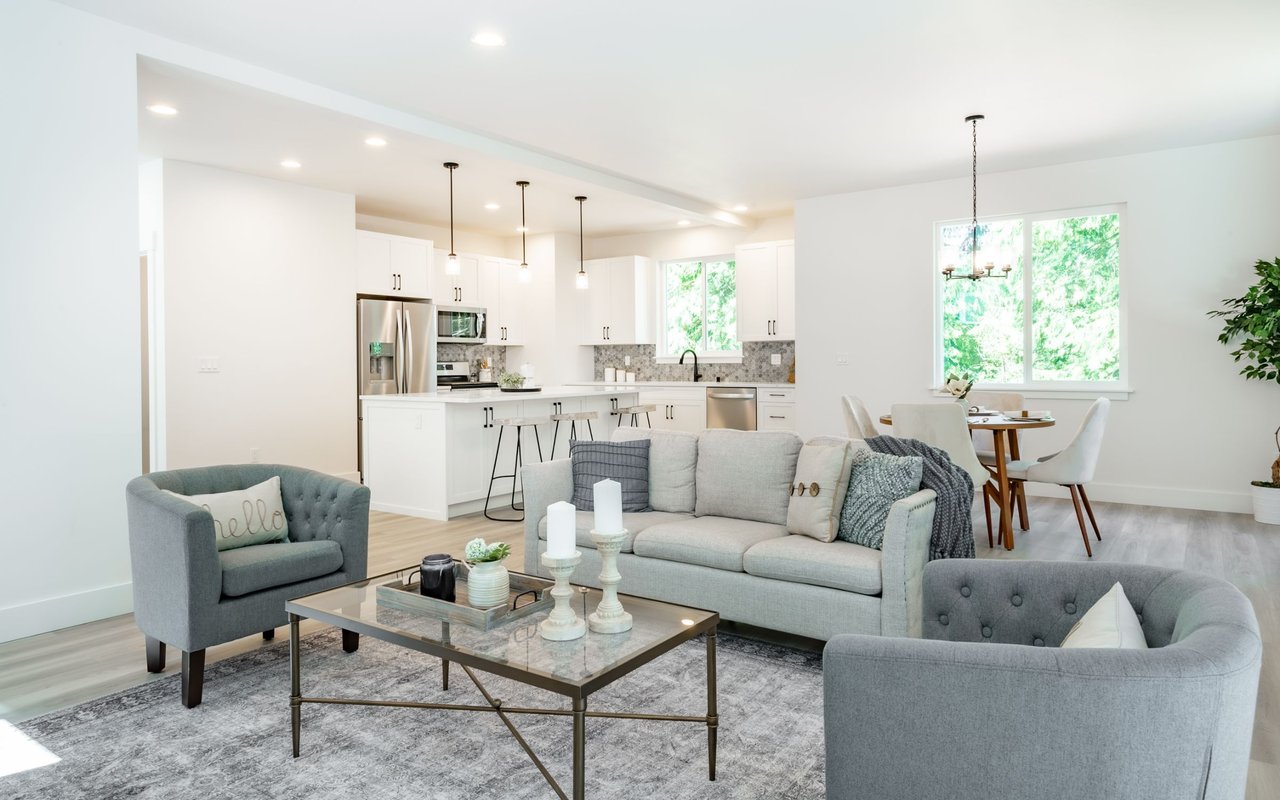
One waterfront home built in 2021 has a septic system. Another nearby property, also with a septic system installed in 2021, has a finished second room downstairs and flexible upper-level space that could sleep more people.
That distinction matters more on a lake with no sewer connection than it would almost anywhere else. On Summit Lake, adding legal sleeping space means proving the septic system can support it.
For a buyer comparing two homes at similar price points, this is the detail that changes the real cost of ownership.
Thurston County does not regulate Summit Lake under its general shoreline rules alone. The lake has its own section of county code, the Summit Lake Overlay Zone, codified as Chapter 20.30C. That a single lake in the county warrants a dedicated overlay zone signals how much shoreline activity here gets scrutinized separately from a typical residential parcel elsewhere in Thurston County.
Layered on top of that, the county has spent the past two years working through a comprehensive update to its Shoreline Master Program with the Washington State Department of Ecology. Public comment on the draft ran from August 15 to September 30, 2024, with a hearing held both in person and virtually on September 19, 2024. Ecology's role now is to decide whether to approve the county's proposal as submitted, approve it with changes, or send it back for revisions, a process documented on Ecology's Thurston County shoreline program page. For anyone planning to build a new dock, replace a bulkhead, or do meaningful shoreline stabilization on Summit Lake, that update is worth watching, because the rules governing what is allowed along this specific shoreline are not static right now.
A real Thurston County hearing examiner decision shows how these rules play out in practice. When the Pacific Harbor Council of the Boy Scouts of America applied to upgrade Camp Thunderbird on Summit Lake, the project needed a special use permit, a shoreline substantial development permit for two new docks, and a reasonable use exception because the docks fell within a wetland classification. The full decision notes the shoreline work required a permit specifically because its fair market value exceeded the exemption threshold of $8,504. The same decision required any unused septic tanks on the property to be formally decommissioned under the county's sanitary code, and it required new drainfields to sit outside critical area buffers, since the site's existing drainfields did not meet that standard.
None of this means routine dock maintenance triggers a permit fight. It means a lake with its own overlay zone and an active state-level rule update is not a place where "the neighbor did it without a permit" is reliable guidance.
None of this is happening in a soft market. Countywide data on Thurston County waterfront homes as of late July 2026 puts the median list price at $569,000, with homes typically spending about 40 days on the market and drawing an average of two offers. Summit Lake itself tends to run tighter than that county average. Only a handful of homes are on the market at any given time, a function of a small lake ringed mostly by long-held parcels rather than a shortage of buyer interest.
That combination, real demand against thin inventory, is exactly why the septic and permitting details matter so much here. A buyer with financing lined up and genuine urgency to close inside that 40-day window does not have the luxury of discovering a septic mismatch during the final week of escrow. A seller who waits until an offer is in hand to find out their system is permitted for fewer bedrooms than advertised risks losing days they do not have.
Sellers benefit from confirming three things before the sign goes in the yard, not after an offer arrives.
Buyers get the most protection by asking pointed questions early rather than relying on the listing description alone.
Does every home on Summit Lake use well water? No. Homes use either a private drilled well or the Summit Lake community water system, since there is no public utility connection anywhere on the lake.
Are the shoreline rules on Summit Lake about to change? Thurston County's broader Shoreline Master Program update has been under review with the Washington Department of Ecology since the public comment period closed in September 2024. Anyone planning shoreline construction should confirm current requirements before assuming past practice still applies.
A home on Summit Lake is only as flexible as the paperwork behind it. Price and competition matter, but the detail that actually determines whether a deal closes smoothly is whether the septic permit, the water source, and the shoreline permits on file match what the listing promises and what the buyer expects. Getting that alignment right before a showing, not during escrow, is what keeps a strong market from turning into a stalled one.
If you are weighing a purchase or a sale on Summit Lake and want someone who will walk through the septic record, the water source, and the permit history before you're under contract, not after, Christina Keller would love to help. Let's Connect.
This article is general information, not legal, tax or financial advice. Consult a qualified professional about your situation.
Stay up to date on the latest real estate trends.
Christina Keller believes every client, property, and transaction is unique. Drawing from her background in hospitality, international sales, and business leadership, she provides attentive guidance, strategic negotiation, and personalized service designed to make every real estate experience smooth, successful, and rewarding.
CHRISTINA KELLER
[email protected]
360.951.2309
ADDRESS
2622 N PROCTOR ST
TACOMA, WA 98407