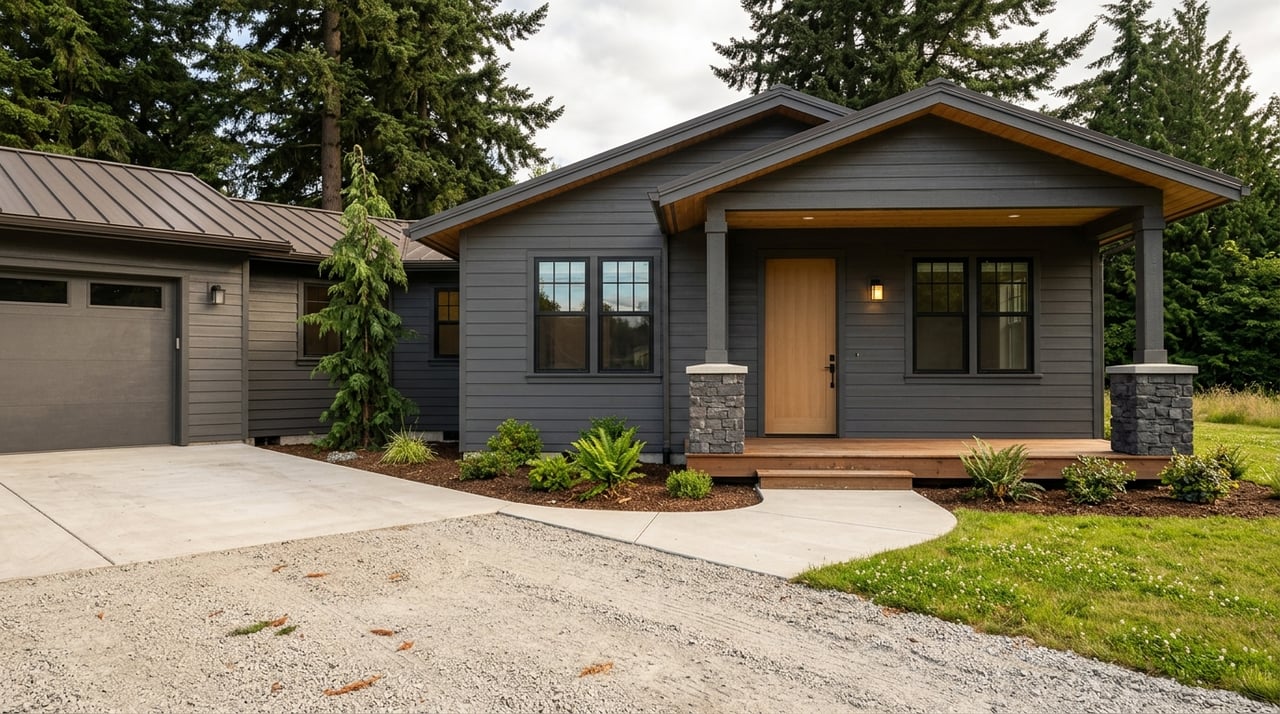
How to Sell an Acreage Home in Thurston County
July 16, 2026
July 16, 2026
Wondering why selling an acreage home in Thurston County can feel so different from selling a typical neighborhood property? You are not imagining it. When land, access, zoning, septic, wells, and outbuildings all play a role in value, you need a strategy that goes beyond standard pricing and a few interior photos. This guide will walk you through what matters most so you can prepare, price, and market your property with more confidence. Let’s dive in.
Selling acreage in Thurston County is rarely just about the house itself. Buyers are also evaluating the land, how usable it is, what it may allow in the future, and how easy it is to access and maintain.
That matters because Thurston County values larger tracts differently than smaller lots. The county notes that larger tracts are generally valued by the acre, while parcels under 2.5 acres often rely more on site values. In practical terms, that means your property should be priced with land-aware comparisons, not just nearby home sales.
Several site features can influence what buyers are willing to pay. Thurston County specifically notes that view, steep topography, poor access, and wetlands can all affect land value.
That is why gross acreage alone does not tell the full story. A 10-acre property with strong access and usable open space may appeal very differently than a similar-sized parcel with wetlands, steep slopes, or limited building area.
When buyers tour acreage, they often ask a simple question: What can I actually do with this land? Open pasture, fenced areas, garden space, wooded trails, and functional outbuildings may all support value when they add real utility.
On the other hand, land that is difficult to reach or difficult to use may need pricing adjustments. A thoughtful pricing strategy should separate the value of the home from the value of the land and account for the property’s usable features.
Zoning is another major part of the value story. Thurston County says zoning determines what can be built or done with a property, including setbacks and lot sizes, and sellers should confirm the property’s jurisdiction of influence and zoning through the property information report.
The county’s rural residential and resource code sets a base density of one dwelling unit per five acres. That does not mean every buyer wants future development potential, but parcel size and use potential can absolutely affect interest and price.
Acreage homes should not be priced like suburban homes with a simple price-per-square-foot formula. Thurston County’s appraisal guidance supports a more layered approach that considers land value, depreciated improvement value, and actual sales by neighborhood.
For you as a seller, that usually means looking at several components together:
County-wide market numbers can help with general context, but they should not become the pricing rule for a unique acreage property. For example, Redfin reported a median sale price of $533,400 and 13 days on market for the three months ending May 2026, while Realtor.com reported a median listing price of $575,000 and 33 days on market in June 2026. Those figures show an active market, but acreage homes often move on their own track.
Before your listing goes live, it is smart to compare the county parcel record with the property as it exists today. Thurston County’s A+ Parcel Search can show value reports, neighborhood sales, parcel information, and property history.
This step can help you verify acreage, ownership details, recorded improvements, and past history. It can also surface discrepancies early, which is much easier than explaining them after a buyer is already doing due diligence.
If you want a smoother sale, gather the core property records early. A complete information package can make your home easier to evaluate and easier to trust.
Useful records often include:
For many acreage homes in Thurston County, private systems are a central part of the transaction. Buyers will want clear answers, and Washington disclosures require them.
Washington’s seller disclosure form asks about private roads or easement agreements for access, rights-of-way or access limitations, water source, shared-water agreements, and on-site sewage details. If your property includes any of these features, they are part of the value story and part of your preparation.
If your home uses septic, Thurston County requires a Time of Transfer evaluation when the property is sold. The system must be pumped and inspected by a county-certified professional before the application is submitted.
The county says the evaluation can include the record drawing, system size and age, maintenance history, and the condition of components. If a system is failing, it must be addressed, so handling this early can help you avoid delays later.
If your property has a private well, the Washington Department of Health says private well owners are responsible for testing their own water. The department recommends annual testing for coliform bacteria and nitrate.
It also notes that in many cases a seller or lender may require water sampling results to show the water is safe to drink. If you have current test results ready, that can make your listing feel more complete and easier for buyers to evaluate.
Acreage homes need stronger visuals than a standard listing often gets. Traditional interior photos may show the home well, but they rarely explain the layout of the land, the approach to the property, or the relationship between the home and the outbuildings.
For larger parcels, aerial photography can be especially helpful because it shows the broader property layout, surrounding area, and views. That matters when buyers are trying to understand more than just the house.
For acreage listings, your marketing should highlight the features buyers actually pay for. The goal is to help someone understand both the property footprint and the way the land lives day to day.
That may include:
A site map, floor plan, and well-planned photo set can also help buyers make sense of the property before they visit. That is especially useful when the land itself is one of the main selling points.
Showings on acreage are often more complex than showings in a typical subdivision. Gates, long driveways, muddy areas, distance between structures, and the layout of the land can all shape the experience.
That means showings should be intentional. You want buyers to move through the property in a way that helps them understand its best features, rather than feel unsure about where to go or what they are seeing.
A few small steps can make a big difference:
The easier it is for buyers to understand the property, the easier it is for them to see its value.
If you are getting ready to sell an acreage home in Thurston County, start with the details that most often affect pricing, marketability, and buyer confidence.
Here is a practical checklist to work through before listing:
Acreage buyers tend to ask more questions because there is more to evaluate. That is normal. It also means sellers who prepare early are often in a better position when interest picks up.
When your pricing reflects usable land, your records are organized, and your marketing helps buyers understand the property, you create a smoother path from listing to closing. That kind of preparation supports better decisions and a calmer experience.
If you are thinking about selling acreage in Thurston County, a tailored plan can make all the difference. For personalized guidance, polished marketing, and thoughtful support from start to finish, connect with Christina Keller.
Stay up to date on the latest real estate trends.
Christina Keller believes every client, property, and transaction is unique. Drawing from her background in hospitality, international sales, and business leadership, she provides attentive guidance, strategic negotiation, and personalized service designed to make every real estate experience smooth, successful, and rewarding.
CHRISTINA KELLER
[email protected]
360.951.2309
ADDRESS
2622 N PROCTOR ST
TACOMA, WA 98407